

Hey there! I'm a supplier of Pvc Polycarbonate, and I often get asked about how to test the quality of PVC and polycarbonate. In this blog, I'll share some practical methods that I've learned over the years in the industry.
Understanding PVC and Polycarbonate
First off, let's have a quick look at what PVC and polycarbonate are. PVC, or polyvinyl chloride, is a widely used plastic material known for its durability, affordability, and versatility. You can find it in a variety of products, from pipes and fittings to window frames and Pvc Plastics. Polycarbonate, on the other hand, is a strong, transparent thermoplastic with excellent impact resistance and optical clarity. It's commonly used in applications like safety glasses, bulletproof windows, and electronic device housings.

Testing the Quality of PVC
Visual Inspection
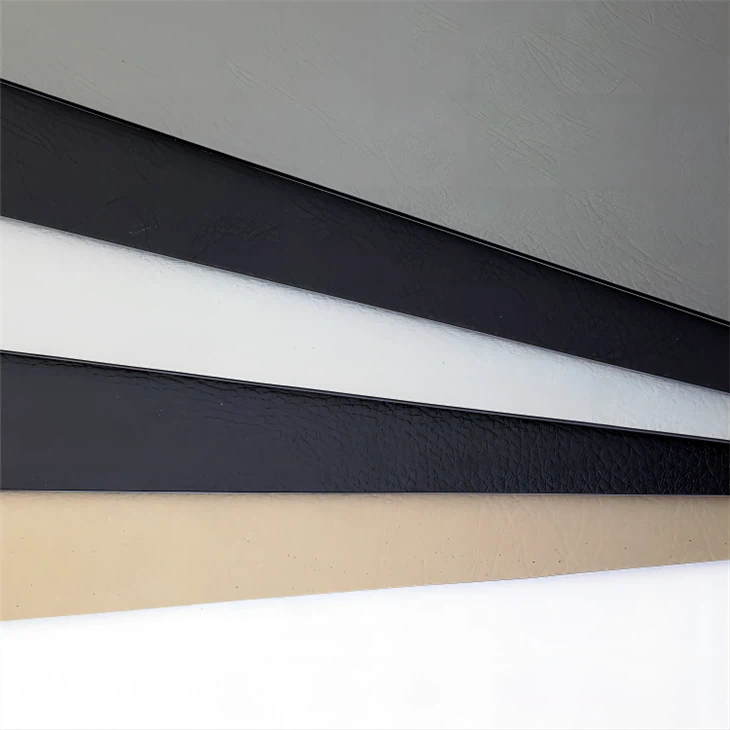
The first step in testing PVC is a simple visual check. Look at the surface of the PVC product. It should be smooth and free of any visible defects such as cracks, bubbles, or discoloration. A high - quality PVC should have a consistent color throughout. If you notice any uneven coloring, it could be a sign of poor manufacturing or the use of low - quality raw materials.
Flexibility and Rigidity Test
PVC comes in different grades, some are more flexible while others are rigid, like Pvc Hard Board. For flexible PVC, gently bend the material. It should bend without cracking or breaking easily. If it snaps quickly, it might be too brittle, which could be due to improper plasticizer use during production. For rigid PVC, try to apply a small amount of pressure. It should maintain its shape without deforming under normal stress.
Chemical Resistance Test
PVC is known for its good chemical resistance. You can test this by applying a small amount of a common chemical, like a mild detergent or alcohol, on a small, inconspicuous area of the PVC. Leave it for a few minutes and then wipe it off. If the surface shows signs of swelling, discoloration, or damage, then the PVC may not have good chemical resistance, which could be a problem in applications where it will come into contact with chemicals.
Heat Resistance Test
Heat resistance is another important factor. You can use a heat gun to apply a small amount of heat to the PVC (be careful not to overheat it). A good - quality PVC should be able to withstand a certain level of heat without melting or deforming quickly. If it starts to melt or distort at a relatively low temperature, it may not be suitable for applications where it will be exposed to heat.
Testing the Quality of Polycarbonate
Optical Clarity
One of the key features of polycarbonate is its optical clarity. Hold the polycarbonate sheet up to the light and look through it. It should be clear and free of any haze, streaks, or other visual impurities. If you see any blurry areas or irregularities, it could indicate a problem with the manufacturing process or the quality of the raw materials.
Impact Resistance
Polycarbonate is famous for its high impact resistance. You can test this by dropping a small, heavy object (like a metal ball) from a reasonable height onto the polycarbonate sheet. A good - quality polycarbonate should not crack or break easily. Instead, it will absorb the impact and may only show a small dent or scratch. If it shatters upon impact, it's likely of poor quality.
UV Resistance
If the polycarbonate is going to be used outdoors, UV resistance is crucial. You can expose a small piece of the polycarbonate to direct sunlight for an extended period (a few weeks). A high - quality polycarbonate with good UV resistance should not yellow or become brittle over time. If it does, it won't last long in outdoor applications.
Solvent Resistance
Similar to PVC, polycarbonate should have some level of solvent resistance. Apply a small amount of a common solvent (like acetone, but be very careful as acetone is strong) on a small area of the polycarbonate. If it starts to dissolve or become sticky, it may not have good solvent resistance, which could limit its use in certain environments.
Why Quality Testing Matters
As a Pvc Polycarbonate supplier, I understand the importance of quality testing. For our customers, using high - quality PVC and polycarbonate means better performance, longer product lifespan, and fewer maintenance issues. For example, in construction, using poor - quality PVC pipes can lead to leaks and failures, which can be expensive to fix. In the case of polycarbonate used in safety equipment, a low - quality product may not provide the necessary protection.
Conclusion
Testing the quality of PVC and polycarbonate is essential to ensure that you're getting the best product for your needs. Whether you're using it for a small DIY project or a large - scale industrial application, these simple tests can help you identify the quality of the material.
If you're interested in purchasing high - quality PVC and polycarbonate products, don't hesitate to get in touch. We can provide you with samples for you to conduct your own tests and make an informed decision. Let's start a conversation about your specific requirements and see how we can work together to meet them.
References
- "Plastics Testing Handbook" by James F. Carley
- "Polymer Science and Technology" by Olabisi, Robeson, and Shaw