

As a reliable supplier of plain PVC sheets, I've often encountered inquiries about the bending radius of these versatile materials. Understanding the bending radius is crucial for various applications, ranging from construction to crafting. In this blog post, I'll delve into the concept of bending radius, explain its significance, and share insights based on my experience in the industry.
What is the Bending Radius?
The bending radius refers to the minimum radius at which a material can be bent without causing any damage, such as cracking, splitting, or excessive deformation. It is a critical parameter when working with plain PVC sheets, as exceeding the recommended bending radius can compromise the integrity and functionality of the material.
To visualize the bending radius, imagine bending a PVC sheet around a cylindrical object. The radius of that cylinder represents the bending radius. If the cylinder's radius is too small, the PVC sheet may break or develop stress marks. On the other hand, a larger radius allows for a smoother and more uniform bend.
Factors Affecting the Bending Radius
Several factors influence the bending radius of plain PVC sheets. These include:
Thickness of the Sheet
Thicker PVC sheets generally have a larger bending radius compared to thinner ones. This is because thicker materials are more rigid and less flexible, making them more prone to cracking or breaking during bending. As a general rule, the bending radius increases proportionally with the thickness of the sheet.
Type of PVC
There are different types of PVC available, each with its own unique properties. Rigid PVC sheets, for example, are stiffer and have a higher bending radius compared to flexible PVC sheets. The specific formulation and additives used in the manufacturing process can also affect the flexibility and bending characteristics of the PVC.
Temperature
Temperature plays a significant role in the bending process. PVC sheets become more flexible and easier to bend at higher temperatures. When the temperature is low, the material becomes more brittle, increasing the risk of cracking or breaking. Therefore, it's important to consider the ambient temperature and, if necessary, preheat the PVC sheet to facilitate bending.
Bending Method
The method used to bend the PVC sheet can also impact the bending radius. Different bending techniques, such as cold bending, hot bending, and vacuum forming, require different minimum bending radii. Cold bending, which involves bending the sheet at room temperature, typically requires a larger bending radius compared to hot bending, which involves heating the sheet to make it more pliable.
Recommended Bending Radius for Plain PVC Sheets
While the exact bending radius depends on the factors mentioned above, there are some general guidelines that can be followed when working with plain PVC sheets.
For rigid PVC sheets with a thickness of 1 - 3 mm, the recommended minimum bending radius is typically around 5 - 10 times the thickness of the sheet. For example, a 2 mm thick rigid PVC sheet would have a minimum bending radius of 10 - 20 mm.
For thicker rigid PVC sheets, the bending radius may need to be increased accordingly. For sheets thicker than 3 mm, a bending radius of 10 - 15 times the thickness is often recommended.
Flexible PVC sheets, on the other hand, can be bent to a much smaller radius. Depending on the flexibility of the material, the minimum bending radius for flexible PVC sheets can range from 1 - 5 times the thickness of the sheet.
It's important to note that these are just general guidelines, and the actual bending radius may vary depending on the specific properties of the PVC sheet and the bending method used. Before starting any bending project, it's always a good idea to conduct a test bend on a small piece of the material to determine the appropriate bending radius.
Applications of Bending Plain PVC Sheets
The ability to bend plain PVC sheets opens up a wide range of applications in various industries. Some common applications include:
Construction
In the construction industry, bent PVC sheets are used for a variety of purposes, such as roofing, siding, and architectural features. PVC sheets can be bent to create curved or angled structures, adding a unique and modern look to buildings.
Signage
Bent PVC sheets are a popular choice for signage due to their durability, versatility, and ease of fabrication. They can be bent to create letters, logos, and other custom shapes, making them ideal for advertising and wayfinding applications.
Display and Exhibition
In the display and exhibition industry, bent PVC sheets are used to create showcases, displays, and kiosks. The ability to bend the sheets allows for the creation of unique and engaging designs that can attract attention and enhance the visual impact of the exhibits.
Crafting and DIY Projects
Bent PVC sheets are also widely used in crafting and DIY projects. They can be bent to create jewelry, home decor items, and other creative projects. The flexibility and affordability of PVC sheets make them a popular choice for hobbyists and DIY enthusiasts.
Importance of Choosing the Right PVC Sheet Supplier
When working with plain PVC sheets, it's important to choose a reliable and reputable supplier. A good supplier will provide high-quality PVC sheets that meet your specific requirements and offer technical support and guidance on bending and other fabrication processes.
At [our company], we are a leading supplier of Pvc Plastics, Pvc Polycarbonate, and Pvc Panel Sheets. Our PVC sheets are made from premium raw materials and undergo strict quality control measures to ensure their durability and performance.
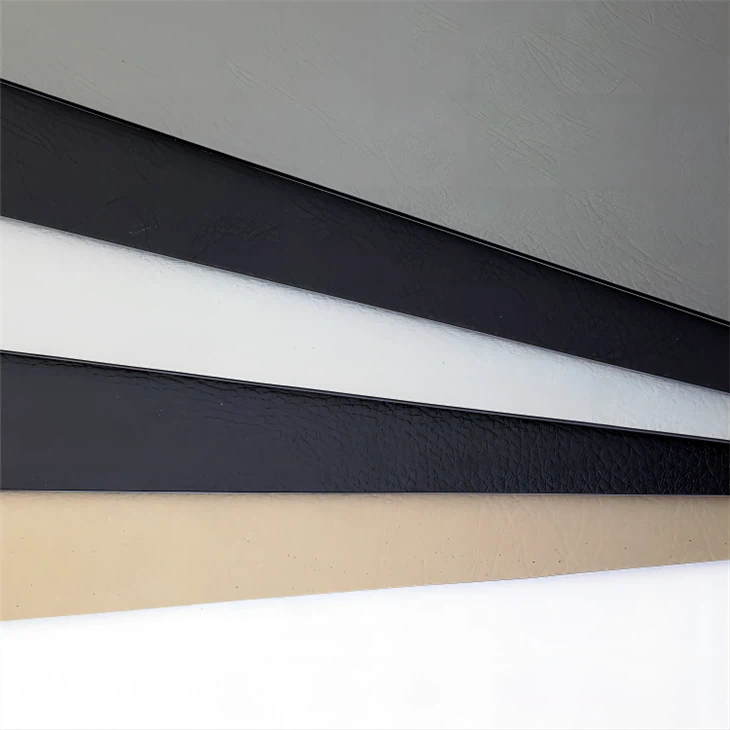
We offer a wide range of PVC sheet products in different thicknesses, colors, and finishes to meet the diverse needs of our customers. Whether you're a contractor, a signage maker, or a DIY enthusiast, we have the right PVC sheet for your project.
In addition to providing high-quality products, we also offer professional technical support and advice on bending, cutting, and other fabrication processes. Our team of experts is always ready to assist you in choosing the right PVC sheet and ensuring that your project is a success.

Conclusion
The bending radius of plain PVC sheets is an important consideration when working with these materials. By understanding the factors that affect the bending radius and following the recommended guidelines, you can ensure that your PVC sheets are bent safely and effectively without compromising their integrity.
Whether you're a professional in the construction or manufacturing industry or a DIY enthusiast, choosing the right PVC sheet supplier is crucial for the success of your project. At [our company], we are committed to providing high-quality PVC sheets and excellent customer service. If you have any questions or would like to discuss your specific requirements, please don't hesitate to [contact us]. We look forward to working with you and helping you achieve your goals.
References
- ASTM International. (Year). Standard Specification for Poly (Vinyl Chloride) (PVC) Plastic Sheets. ASTM [Standard Number].
- Manufacturer's technical data sheets for PVC sheets.