

Hey there! As a PVC plastics supplier, I often get asked, "Can PVC plastics be used for food packaging?" It's a question that hits close to home for me, and I'm excited to share my insights on this topic.
First off, let's talk a bit about what PVC plastics are. PVC, or polyvinyl chloride, is a widely used plastic material. You can find out more about it on this Pvc Plastics page. It's known for its versatility, durability, and relatively low cost. These properties make it an attractive option for many industries, including packaging.
Now, getting back to the main question: can PVC plastics be used for food packaging? The answer is yes, but with some important considerations.
One of the main advantages of using PVC for food packaging is its excellent barrier properties. PVC can effectively block oxygen, moisture, and light, which are all factors that can cause food to spoil or degrade. This means that food packaged in PVC can have a longer shelf - life, reducing food waste and keeping products fresh for consumers.
For example, PVC is commonly used for packaging fresh meat, cheese, and some types of ready - to - eat meals. The PVC ABS combination, which is a blend of PVC and acrylonitrile butadiene styrene, can offer even better performance in terms of strength and impact resistance, making it suitable for more robust food packaging applications.
However, there are also some concerns associated with using PVC for food packaging. One of the biggest issues is the presence of additives. PVC itself is a relatively stable polymer, but to make it more flexible, transparent, or heat - resistant, various additives are often added. Some of these additives, such as phthalates, have raised health concerns.
Phthalates are plasticizers that are used to make PVC more flexible. Some studies have suggested that certain phthalates may have endocrine - disrupting effects, especially in high doses. In response to these concerns, regulations have been put in place to limit the use of certain phthalates in food contact materials. In many countries, only phthalates that have been proven to be safe for food contact are allowed in PVC food packaging.
Another concern is the potential for the release of vinyl chloride monomer (VCM). VCM is a carcinogen, and strict limits have been set on its presence in PVC materials. Modern manufacturing processes are designed to minimize the amount of VCM in PVC products, and regular testing is carried out to ensure compliance with safety standards.
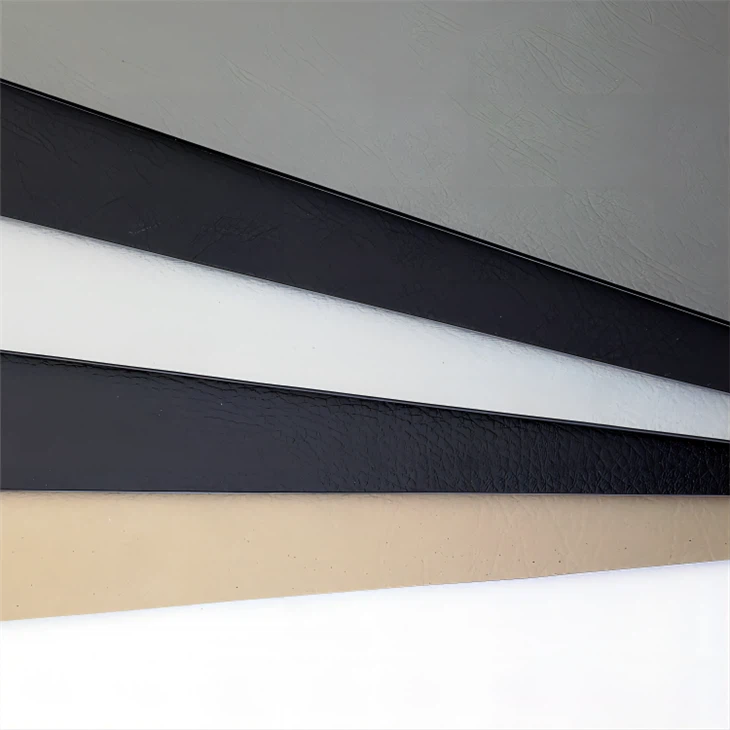

When it comes to food safety, it's all about following the rules and regulations. As a responsible PVC plastics supplier, I make sure that all our PVC products for food packaging meet the relevant safety standards. We work closely with our customers to provide them with the right type of PVC materials for their specific food packaging needs.
For instance, if a customer is looking for a rigid packaging solution, our Pvc Hard Board could be a great option. It's strong, rigid, and can be easily formed into different shapes, making it suitable for packaging items like cookies or small snacks.
In addition to safety, there are also environmental considerations. PVC is not the most environmentally friendly plastic. It's not easily biodegradable, and its production and disposal can have environmental impacts. However, there are efforts being made to improve the sustainability of PVC. For example, recycling programs are being developed to reduce the amount of PVC waste going to landfills.
If you're in the food packaging industry and considering using PVC plastics, here are some tips. First, do your research. Make sure you understand the regulations in your country or region regarding the use of PVC in food contact materials. Second, work with a reliable supplier. A good supplier will be able to provide you with high - quality PVC materials that meet safety standards and offer technical support.
When you're evaluating different PVC products, consider the specific requirements of your food products. For example, if you're packaging fatty foods, you may need a PVC material that has better resistance to oil and grease. If you're looking for a transparent packaging option, make sure the PVC has good clarity and doesn't yellow over time.
I believe that PVC plastics can be a viable option for food packaging when used correctly. With proper handling, adherence to safety regulations, and a focus on quality, PVC can provide an effective and cost - efficient solution for keeping food fresh and protected.
If you're interested in learning more about our PVC plastics for food packaging or have any questions, I'd love to hear from you. Whether you're a small food producer or a large packaging company, we can work together to find the best PVC solution for your needs. Just reach out, and we can start a conversation about your specific requirements.
References
- European Food Safety Authority (EFSA) reports on food contact materials.
- US Food and Drug Administration (FDA) regulations on PVC in food packaging.
- Industry research papers on the properties and applications of PVC in food packaging.