

Hey there! As a supplier of Pvc Plastics, I've been getting a lot of questions lately about alternatives to PVC plastics. So, I thought I'd sit down and write a blog post to share what I know.
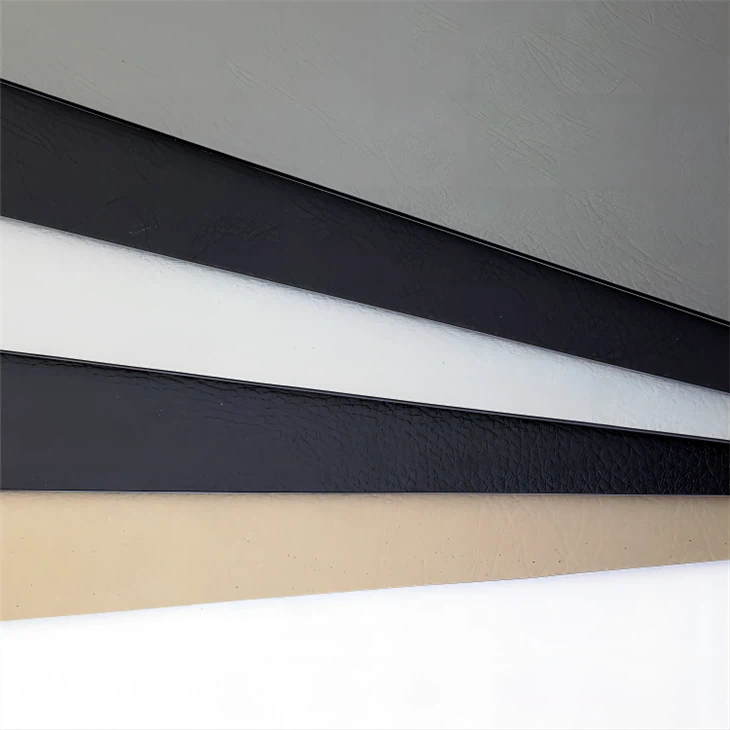
First off, let's talk a bit about PVC plastics. PVC, or polyvinyl chloride, is a widely used plastic material. It's known for its durability, versatility, and relatively low cost. You can find PVC in all sorts of products, from pipes and fittings to window frames, flooring, and even some clothing items. We offer Pvc Hard Board and Pvc Polycarbonate which are popular choices in many industries.
However, PVC does have its drawbacks. One of the main concerns is the environmental impact. The production of PVC involves the use of chlorine, and during its manufacturing process, harmful chemicals like dioxins can be released. Dioxins are highly toxic and can have long - term negative effects on the environment and human health. Also, when PVC is disposed of, especially through incineration, it can release more harmful substances.
So, are there any alternatives to PVC plastics? The answer is yes, and here are some of them.
1. Polyethylene (PE)
Polyethylene is one of the most common plastics in the world. It comes in different forms, such as high - density polyethylene (HDPE) and low - density polyethylene (LDPE). HDPE is strong, rigid, and resistant to chemicals, making it a great choice for things like milk jugs, detergent bottles, and pipes. LDPE, on the other hand, is more flexible and is often used in plastic bags, squeeze bottles, and some types of packaging.
Compared to PVC, PE is generally considered to be more environmentally friendly. It doesn't contain chlorine, so there's no risk of dioxin release during production or disposal. Also, PE is relatively easy to recycle, which is a big plus in today's eco - conscious world.
2. Polypropylene (PP)
Polypropylene is another popular alternative. It has a high melting point, which makes it suitable for products that need to withstand high temperatures, like microwave - safe food containers. PP is also lightweight, strong, and resistant to fatigue, so it's often used in automotive parts, furniture, and some types of packaging.
Like PE, polypropylene doesn't have the environmental issues associated with PVC. It's recyclable, and its production process is generally cleaner. Plus, it's less likely to leach harmful chemicals into food or the environment.
3. Polylactic Acid (PLA)
PLA is a biodegradable plastic made from renewable resources, such as corn starch or sugarcane. It's becoming increasingly popular in the packaging industry, especially for single - use items like disposable cutlery, food containers, and shopping bags.
One of the biggest advantages of PLA is its biodegradability. In the right conditions, it can break down into natural substances like water and carbon dioxide within a relatively short period. This makes it a great option for reducing waste and environmental impact. However, it does have some limitations. For example, it has a lower heat resistance compared to PVC, PE, or PP, so it's not suitable for high - temperature applications.
4. Acrylonitrile Butadiene Styrene (ABS)
ABS is a strong and impact - resistant plastic. It's commonly used in consumer products like toys, electronics housings, and automotive trim. ABS has good mechanical properties, which means it can withstand a lot of wear and tear.
While ABS is not biodegradable, it is recyclable. And unlike PVC, it doesn't have the chlorine - related environmental problems. It's also relatively easy to mold and shape, which makes it a popular choice for manufacturers.
5. Cellulose - based Plastics
Cellulose - based plastics are made from cellulose, which is a natural polymer found in plants. They can be used in a variety of applications, including packaging, coatings, and some types of consumer goods.
These plastics are often biodegradable and derived from renewable resources, so they have a lower environmental impact compared to PVC. They also have good mechanical properties and can be tailored to different requirements.
Now, you might be wondering, if there are these alternatives, why do people still use PVC plastics? Well, PVC has some unique properties that are hard to beat. For example, it has excellent fire - retardant properties, which makes it a popular choice for electrical wiring and building materials. It's also very resistant to weathering, so it's great for outdoor applications like window frames.
As a PVC plastics supplier, I understand that different customers have different needs. Some are more concerned about the environmental impact, while others prioritize cost, durability, or specific performance requirements. That's why we offer a range of PVC products, including Pvc Hard Board and Pvc Polycarbonate, to meet various demands.
If you're in the market for plastics and are trying to decide between PVC and its alternatives, I'd be more than happy to help. Just reach out to me, and we can have a chat about your specific requirements. Whether you need a material that's environmentally friendly, cost - effective, or has certain performance characteristics, we can work together to find the best solution for you.

In conclusion, while there are alternatives to PVC plastics, PVC still has its place in the market. Each material has its own pros and cons, and the choice depends on a variety of factors. If you have any questions or want to discuss your plastic needs further, don't hesitate to get in touch. We're here to assist you in making the right decision for your project.
References
- "Plastics: The Inside Story" by American Chemistry Council
- "Encyclopedia of Polymer Science and Technology"
- Various industry reports on plastic materials and their applications