

Hey there! As a supplier of PVC and polycarbonate, I often get asked, "Are PVC and polycarbonate waterproof?" Well, let's dive right into it and find out.
First off, let's talk a bit about PVC. PVC, or polyvinyl chloride, is a widely used plastic material that you can find in all sorts of products. From pipes to flooring, PVC ABS and Pvc Hard Board, it's pretty versatile. Now, when it comes to waterproofing, PVC is actually a champ.
PVC has a very low water absorption rate. This means that it doesn't let water soak into it easily. In fact, it can resist water for a long time without getting damaged. That's why it's so popular for things like outdoor furniture, window frames, and of course, pipes. If you have a leaky roof and need to fix the gutters, PVC pipes are a great choice because they won't rot or rust when they come into contact with water.
One of the reasons PVC is so waterproof is its molecular structure. The chlorine atoms in PVC make the material hydrophobic, which is just a fancy word for "water - hating." Water molecules don't stick to PVC surfaces easily, so they just roll off. This property also makes PVC easy to clean. You can just wipe off any water or dirt that gets on it.
Another great thing about PVC is its durability. It can withstand harsh weather conditions, including heavy rain and humidity. Whether it's a tropical storm or a long - lasting drizzle, PVC will hold up. And if you're using Pvc Plastics in an outdoor setting, you don't have to worry about them getting waterlogged or deteriorating over time.
Now, let's switch gears and talk about polycarbonate. Polycarbonate is a strong, transparent thermoplastic. You might have seen it used in things like safety glasses, bullet - proof windows, and greenhouse panels. And yes, polycarbonate is also waterproof.
Polycarbonate has excellent water - resistant properties. It forms a tight barrier against water, preventing it from seeping through. This makes it ideal for applications where you need to keep water out, like in roofing systems or outdoor enclosures.
One of the key advantages of polycarbonate is its high impact resistance. Even if it's exposed to heavy rain or hail, it's not likely to crack or break. This is important because a crack in a material can allow water to penetrate. With polycarbonate, you can have peace of mind knowing that your structure will stay dry even in tough weather.
The transparency of polycarbonate is another bonus. If you're using it in a greenhouse, for example, it allows sunlight to pass through while keeping the rain out. This creates a perfect environment for plants to grow. And because it's waterproof, you don't have to worry about water damage to your plants or the structure itself.

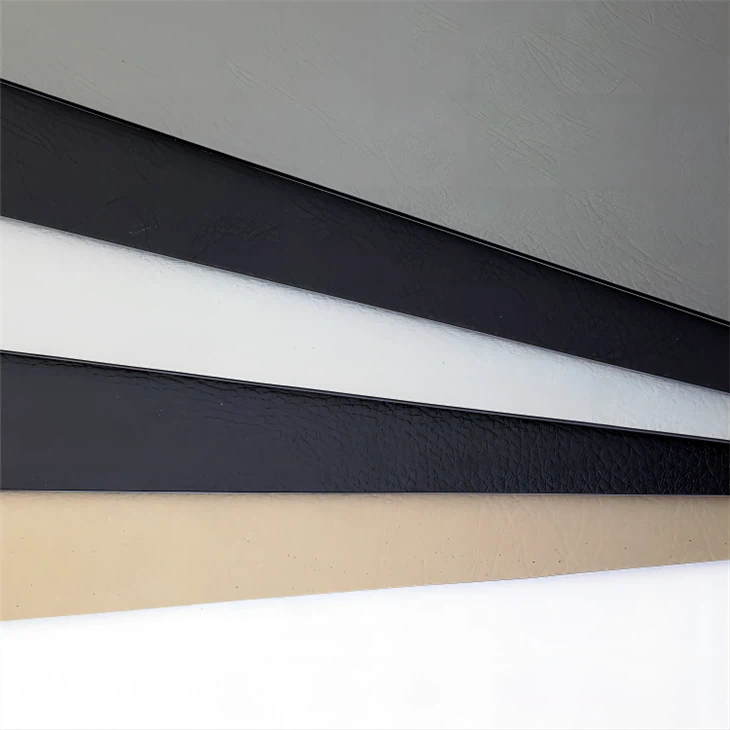
However, it's important to note that while both PVC and polycarbonate are waterproof, their performance can be affected by certain factors. For example, if the materials are installed incorrectly, water can find its way in through gaps or seams. So, proper installation is crucial.
Also, over time, exposure to UV rays can cause some degradation in both PVC and polycarbonate. This might not directly affect their waterproofing ability, but it can weaken the material and make it more prone to damage. To counter this, many manufacturers add UV stabilizers to the materials during production.
In some cases, you might need to use additional waterproofing measures. For instance, if you're using PVC or polycarbonate in a high - risk area, like a basement or a building near the ocean, you might want to apply a waterproof coating on top of the materials. This extra layer can provide an added level of protection.
Now, let's compare the two materials a bit. PVC is generally more affordable than polycarbonate. If you're on a tight budget and need a waterproof material for a simple project, PVC might be the way to go. On the other hand, polycarbonate offers better impact resistance and transparency, so it's a better choice for applications where these features are important.
In conclusion, both PVC and polycarbonate are waterproof materials with their own unique advantages. Whether you're looking for a cost - effective solution like PVC or a high - performance option like polycarbonate, we've got you covered as a supplier.
If you're in the market for PVC or polycarbonate products, I'd love to have a chat with you. We can discuss your specific needs and find the best material for your project. Whether it's for a small DIY project or a large - scale construction, we have a wide range of products to choose from. Just reach out to us, and let's start the conversation.
References
- "Plastics in Construction: A Guide to Selection and Use" by the American Chemistry Council
- "Polycarbonate: Properties, Processing, and Applications" by John Wiley & Sons
- "PVC: The Versatile Plastic" by the Vinyl Institute