


When it comes to vacuum forming (thermoforming) clear plastic parts, one material consistently rises to the top as the best overall choice: Clear Acrylonitrile Butadiene Styrene (ABS) Sheet. While other transparent plastics like PETG and Acrylic (PMMA) have their niches, clear ABS offers the ideal blend of properties that make it the preferred workhorse for countless thermoforming applications demanding clarity and performance.
Why Clear ABS is the Best Vacuum Forming Material (The Top 3 Reasons):
Superior Formability and Ease of Processing: ABS possesses an exceptional thermoforming window. It heats evenly and becomes pliable at achievable temperatures (typically 300°F - 350°F / 150°C - 175°C), allowing for deep draws, complex geometries, and sharp details without excessive thinning, tearing, or bubbling that can plague other materials. Its "plastic memory" is well-suited to the forming process.
Excellent Clarity & Gloss Retention: High-quality, properly processed clear ABS sheet offers outstanding optical clarity and a high-gloss finish that rivals more expensive materials. Crucially, it maintains this clarity remarkably well after the thermoforming process, a significant advantage over materials like PETG, which can haze or crystallize if overheated or cooled incorrectly.
Outstanding Impact Resistance & Durability: This is where ABS truly shines. The butadiene component provides exceptional toughness and impact strength, far exceeding acrylic and generally outperforming PETG, especially at lower temperatures. This makes clear ABS formed parts resistant to cracking, chipping, and physical abuse – essential for protective covers, enclosures, point-of-purchase displays, and automotive components.
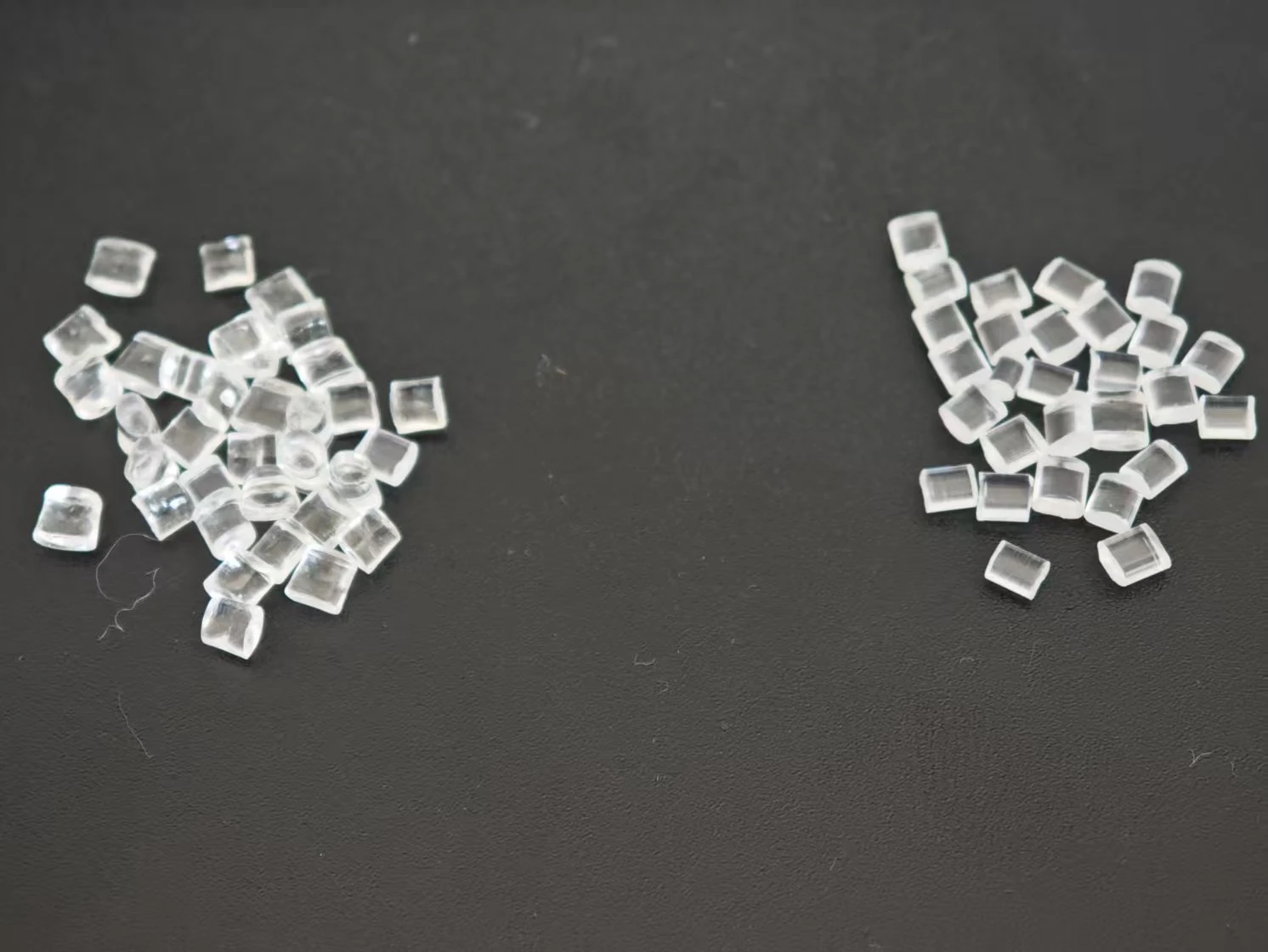
Clear ABS Sheet: Pros and Cons for Vacuum Forming
Pros:
- Excellent Formability: Deep draws, complex shapes, sharp details achievable.
- High Clarity & Gloss: Provides a visually appealing, transparent finish.
- Superior Impact Strength: Highly resistant to cracking and breaking.
- Good Rigidity & Stiffness: Holds shape well after forming.
- Chemical Resistance: Resists many common chemicals, greases, and oils.
- Paintability & Glueability: Easily painted, screen printed, or bonded.
- Cost-Effective: Generally offers a good balance of performance and price compared to alternatives like Polycarbonate.
Cons:
- Limited UV Stability: Standard clear ABS yellows and becomes brittle with prolonged direct sunlight exposure. Solution: Use UV-stabilized grades specifically designed for outdoor applications (essential for signs, kiosks, etc.).
- Scratch Sensitivity: Softer surface than acrylic, prone to scratching. Solution: Apply protective hardcoats or films post-forming if critical.
- Lower Heat Deflection Temp (HDT) than PC/Acrylic: Not suitable for very high-temperature end-use applications. PETG also shares this limitation.
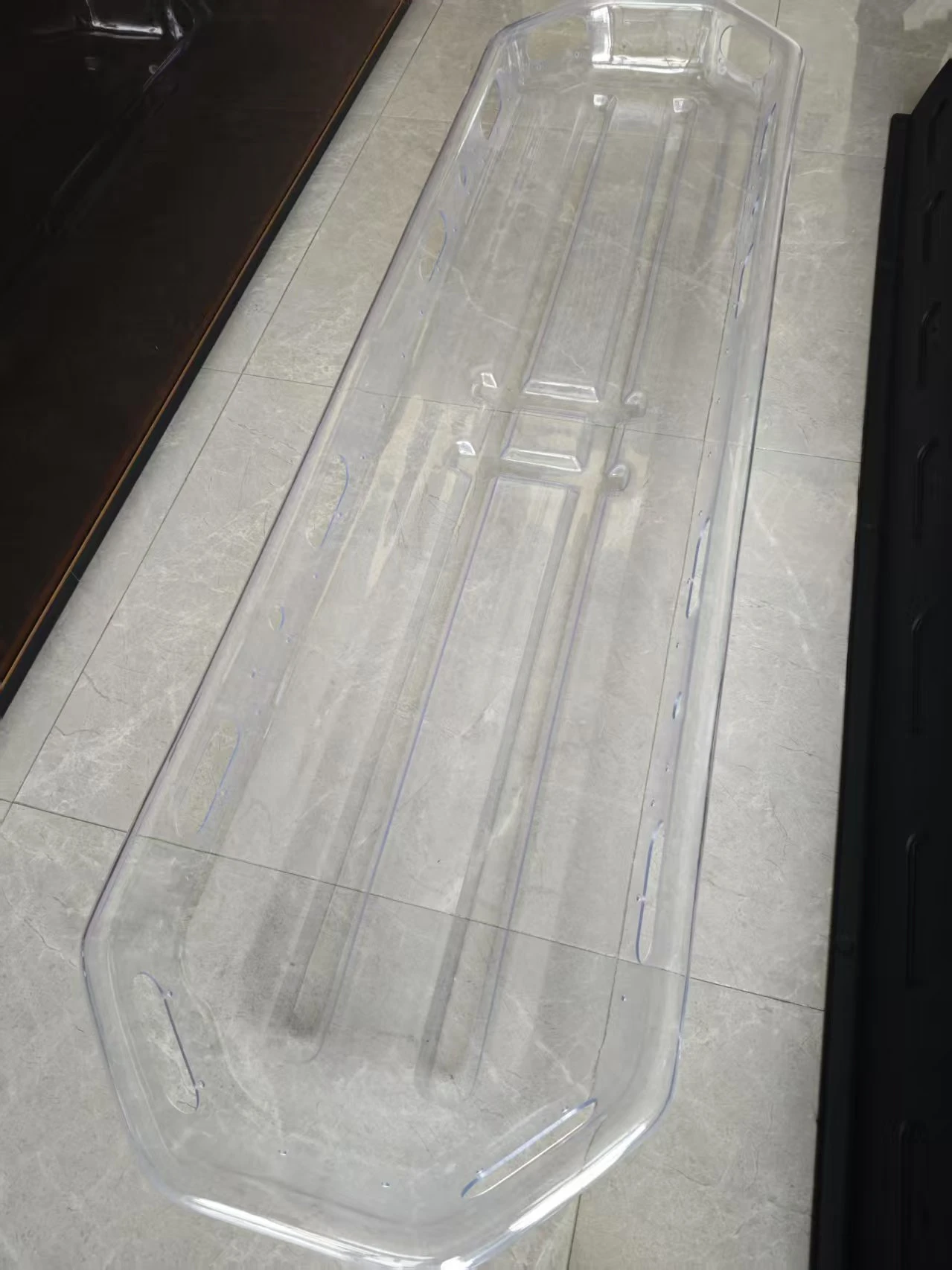
The Versatility of Clear ABS in Thermoforming
Clear ABS's unique combination of clarity, toughness, and formability makes it indispensable across diverse industries:
Protective Clamshells & Blister Packs: Its impact resistance protects products during shipping and retail display while showcasing them clearly.
Point-of-Purchase (POP) Displays & Signage: High-gloss clarity grabs attention; formability allows for creative shapes; UV-stabilized grades work for in-store use.
Machine Guards & Safety Shields: Toughness protects workers; clarity allows visibility of machinery operation.
Automotive Components: Interior trim, light covers (using UV-stabilized ABS), and under-hood components benefit from its durability.
Medical Device Trays & Housings: Chemical resistance and clarity are key; ensure compliance with medical-grade specifications.
Appliance Panels & Covers: Provides a durable, transparent window for control panels or access points.
Recreational Equipment: Helmets, visors (often coated), protective covers for ATVs or boats.
Choosing the Right Clear ABS:
Thickness: Ranges commonly from 0.020" to 0.250" (0.5mm to 6mm+). Thinner gauges for simple shapes/packaging; thicker for structural parts/deep draws.
UV Stabilization: CRITICAL FOR OUTDOOR USE. Always specify UV-stabilized clear ABS if the part will be exposed to sunlight. Standard ABS will degrade rapidly outdoors.
Quality: Opt for high-quality, thermoforming-grade sheet from reputable suppliers to ensure consistent forming, clarity, and minimal defects.
Forming Parameters: Follow manufacturer recommendations for heating times/temperatures, forming pressure, and cooling rates to achieve optimal results and maintain clarity.
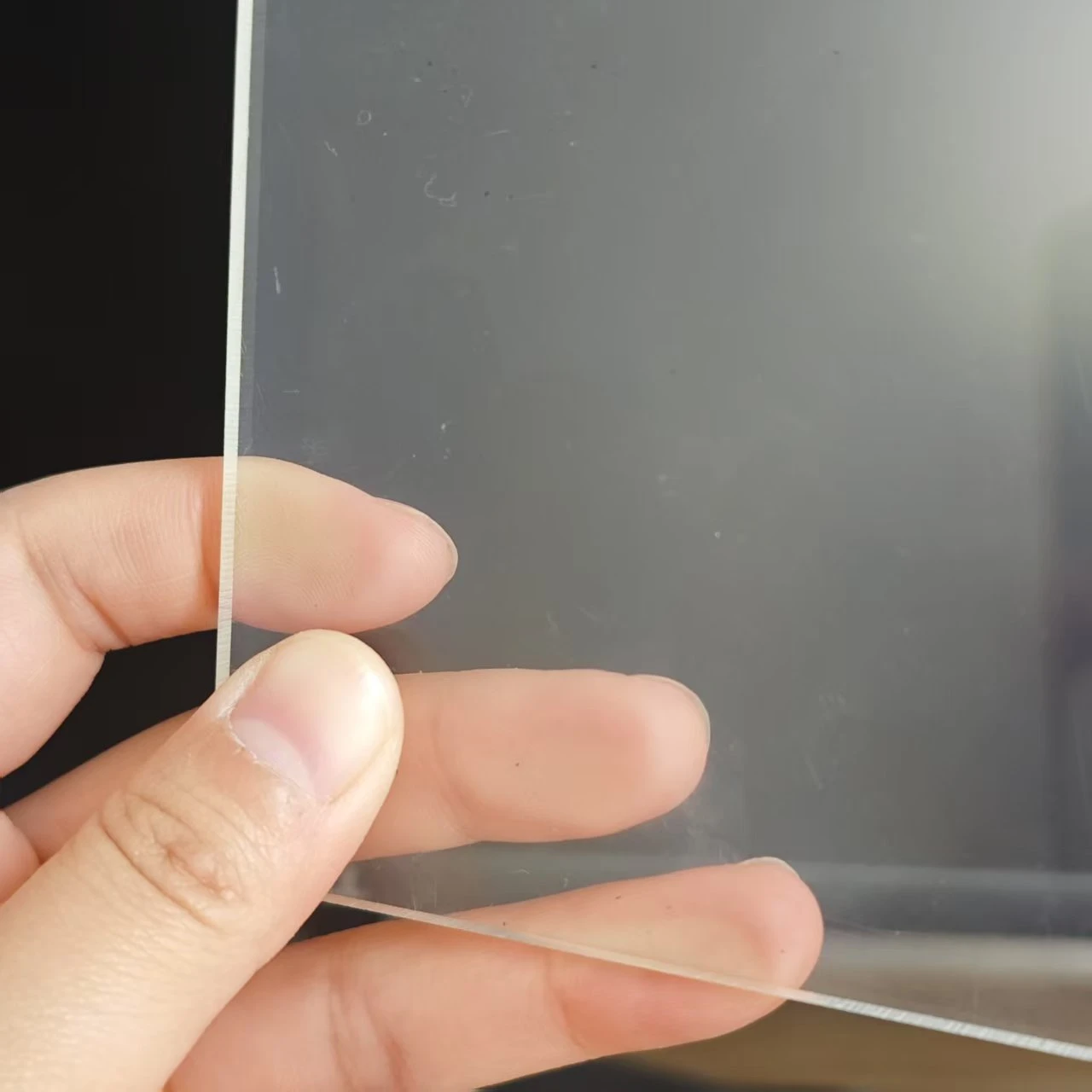
While alternatives exist, clear ABS plastic sheet stands as the best overall material for most vacuum forming applications requiring transparency. Its unmatched combination of ease of forming, excellent post-forming clarity, and exceptional impact resistance provides the reliability, aesthetics, and durability needed for demanding parts. By understanding its strengths (toughness, formability, clarity) and limitations (UV sensitivity, scratchability) and selecting the appropriate grade (especially UV-stabilized for outdoors), manufacturers can leverage clear ABS to produce high-quality, visually appealing, and long-lasting thermoformed components efficiently. For vacuum forming professionals seeking a versatile, high-performance clear plastic, ABS remains the gold standard.