

Hey there! As a supplier of PVC and ABS materials, I often get asked about how the hardness of PVC stacks up against ABS. So, I thought I'd take some time to break it down for you in this blog post.
First off, let's talk a bit about what PVC and ABS are. PVC, or polyvinyl chloride, is a widely used plastic known for its versatility. You can find it in all sorts of applications, from pipes and fittings to flooring and even clothing. On the other hand, ABS, or acrylonitrile butadiene styrene, is another popular plastic that's commonly used in automotive parts, toys, and electronic housings.
Now, when it comes to hardness, it's important to understand that both PVC and ABS can have different levels of hardness depending on how they're formulated. But generally speaking, we can make some comparisons.
PVC comes in two main types: rigid PVC and flexible PVC. Rigid PVC is, well, rigid. It has a relatively high hardness, which makes it great for applications where you need a strong and sturdy material. For example, PVC pipes used in plumbing are usually made from rigid PVC because they need to withstand pressure and maintain their shape. The hardness of rigid PVC can be measured on the Rockwell hardness scale, and it typically falls in the range of R115 - R125.
Flexible PVC, on the other hand, is softer and more pliable. It's often used in applications like cables, hoses, and inflatable products. The softness of flexible PVC is achieved by adding plasticizers to the PVC resin. These plasticizers make the material more flexible but also reduce its hardness. The hardness of flexible PVC can vary widely depending on the amount of plasticizer added, but it's generally much lower than that of rigid PVC.
Now, let's look at ABS. ABS is known for its good balance of properties, including hardness, toughness, and impact resistance. It has a medium - high hardness level. On the Rockwell hardness scale, ABS usually has a hardness in the range of R105 - R115. This makes it suitable for applications where you need a material that can withstand some wear and tear but also has some flexibility and impact resistance. For example, the exterior parts of cars and electronic devices are often made from ABS because it can resist scratches and minor impacts while still being able to take on different shapes during the manufacturing process.
So, how do they compare? Well, rigid PVC is generally harder than ABS. If you're looking for a material that's extremely rigid and can withstand high levels of stress without deforming, rigid PVC might be the better choice. However, ABS has better impact resistance compared to rigid PVC. So, if your application involves impacts or vibrations, ABS could be more suitable.
Flexible PVC, as we mentioned, is much softer than both rigid PVC and ABS. It's used in completely different applications where flexibility is the key requirement.
Another factor to consider is the cost. PVC is generally less expensive than ABS. So, if cost is a major concern and you don't need the specific properties of ABS, PVC could be a more budget - friendly option.
Now, let's talk about some of the applications where the difference in hardness between PVC and ABS really matters.

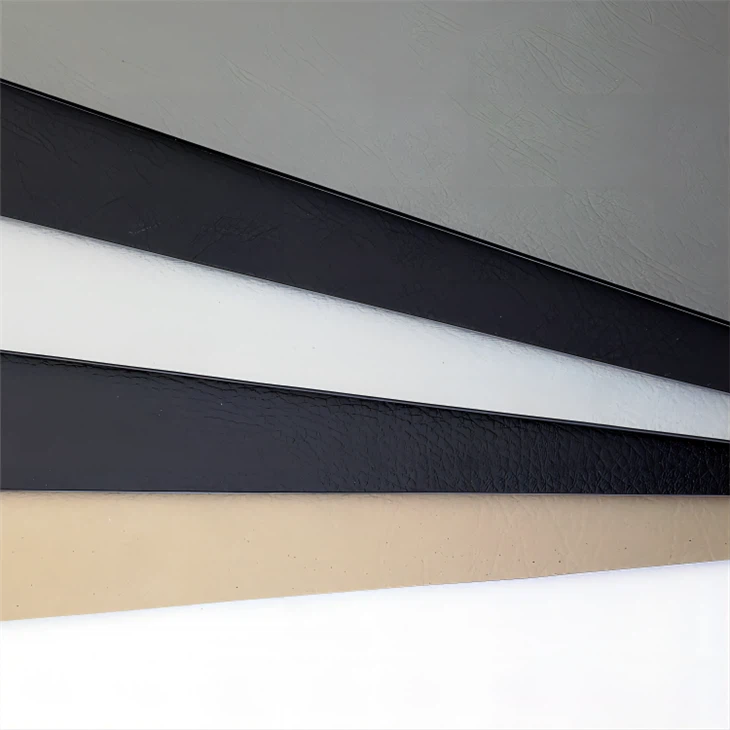
In the construction industry, rigid PVC is often used for window frames, siding, and pipes. Its high hardness ensures that these structures can maintain their shape and integrity over time. For example, PVC window frames can withstand harsh weather conditions and remain rigid without warping. ABS, on the other hand, is used in some construction applications where impact resistance is important, such as in the production of door handles and some decorative elements.
In the automotive industry, ABS is a popular choice for interior and exterior parts. The medium - high hardness and good impact resistance of ABS make it suitable for parts like dashboards, bumpers, and mirror housings. PVC is also used in the automotive industry, mainly in the form of flexible PVC for cable insulation and some soft interior trim.
If you're interested in learning more about PVC materials, you can check out Pvc Plastics. And if you're specifically looking for a red PVC sheet, head over to Red Pvc Sheet. Of course, if you want to know more about our PVC and ABS products in general, visit PVC ABS.
As a supplier, I've seen firsthand how different projects have unique requirements when it comes to the hardness and other properties of PVC and ABS. Whether you're a small - scale DIYer or a large - scale manufacturer, choosing the right material is crucial for the success of your project.
If you're in the market for PVC or ABS materials, I'd love to have a chat with you. Whether you need help choosing the right hardness level for your application or want to get a quote, don't hesitate to reach out. We can discuss your specific needs and find the best solution for you.
In conclusion, the hardness of PVC and ABS varies depending on their types and formulations. Rigid PVC is generally harder than ABS, while flexible PVC is much softer. Each material has its own set of advantages and is suitable for different applications. By understanding these differences, you can make an informed decision when selecting the right plastic for your project.
References
- Plastics Industry Handbook
- Material Science textbooks on polymers