


The humid, demanding environment of a bathroom requires materials that are both resilient and aesthetically pleasing. Vacuum-formed plastic panels have become a popular solution, offering seamless surfaces, water resistance, and design flexibility for key applications:
Bathroom Wall Panels: Creating large, easy-to-clean surfaces resistant to mould and mildew.
Bathtub Surrounds & Liners: Forming custom, watertight shells over existing structures.
Vanity Units & Countertops: Providing durable, moisture-proof surfaces around sinks.
Shower Trays & Bases: Forming lightweight, waterproof shower floors.
Specialty Areas: Niches, shelving, and curved accents benefit from seamless forming.


When selecting the core material, ABS and Acrylic (PMMA) are the primary contenders, each with distinct advantages:
The Case for ABS (Acrylonitrile Butadiene Styrene):
Impact Resistance & Toughness: ABS excels in durability, resisting dents and cracks from accidental impacts – a significant advantage near busy sinks or tubs. Its inherent toughness makes it less prone to catastrophic cracking under stress compared to acrylic.
Cost-Effectiveness: Generally more affordable than solid acrylic sheets, offering a budget-friendly option.
Formability: Easier to thermoform at slightly lower temperatures, allowing for complex shapes with good detail reproduction.
Structural Rigidity: Provides good dimensional stability for larger panels.


The Case for Acrylic (PMMA):
Superior Surface Finish & Gloss Retention: Acrylic boasts an unparalleled, deep-gloss "wet look" finish that closely resembles high-end ceramics or stone. This gloss resists fading and yellowing significantly better than ABS over time.
Exceptional Weatherability & UV Resistance: Highly resistant to yellowing or degradation from UV light (important for well-lit bathrooms) and general weathering.
Stain & Chemical Resistance: Offers superior resistance to common bathroom chemicals (soaps, shampoos, cleaners, cosmetics) and staining agents, maintaining its pristine appearance longer.
Hardness & Scratch Resistance: While not scratch-proof, the surface is harder than ABS, making it somewhat more resistant to fine scratches during cleaning (though abrasive cleaners should still be avoided).
Hygiene: The non-porous surface inhibits bacterial and mould growth, making it easier to keep clean and sanitary.


Why Acrylic-ABS Composite Panels Are Often the Recommended Choice:
While both materials have merits, acrylic-ABS composite sheets strike an optimal balance, combining the best of both worlds:
Premium Surface, Robust Core: A top layer of high-gloss, durable acrylic provides the stunning visual appeal, chemical resistance, and easy-clean surface. The ABS backing layer delivers crucial impact resistance, structural rigidity, and thermal stability during forming.
Enhanced Durability: The ABS core significantly improves impact resistance compared to solid acrylic sheets, reducing the risk of cracking or shattering if struck.
Cost Efficiency: Offers the high-end look and performance of acrylic at a more accessible price point than solid thick acrylic sheets, thanks to the ABS substrate.
Optimised Formability: The ABS layer contributes to better thermoforming characteristics, allowing for deeper draws and more complex shapes while the acrylic cap maintains its integrity and gloss.
Dimensional Stability: The composite structure resists warping and thermal expansion/contraction better than some single-material options, crucial for large bathroom panels.
Long-Term Aesthetics: The acrylic cap provides superior UV and stain resistance, ensuring the surface retains its colour depth and gloss far longer than ABS alone.

Beyond Material Choice: Key Considerations
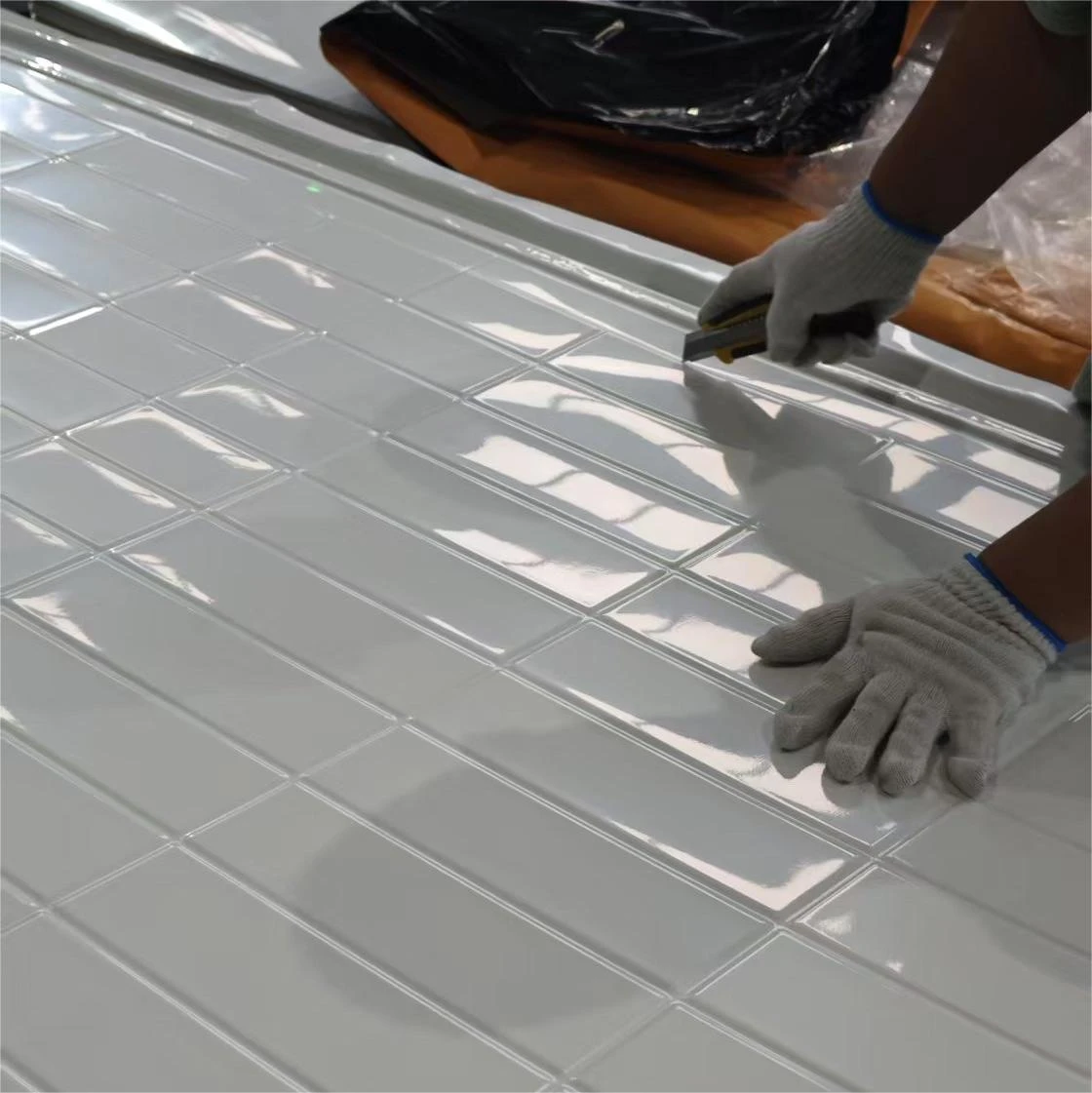
Installation: Professional installation is paramount. Precise measurement, meticulous substrate preparation (must be flat, sound, and dry), and correct adhesive application and seam sealing are critical for a long-lasting, waterproof result. Poor installation voids even the best material's advantages.
Maintenance: Use only recommended non-abrasive cleaners and soft cloths/sponges. Harsh scrubbing pads or acidic/abrasive cleaners will damage the glossy surface of both acrylic and ABS over time.
Seam Management: While vacuum forming allows for large panels minimizing seams, necessary joints must be expertly welded and polished (for acrylic/composite) or sealed with high-quality, flexible, mould-resistant sealant.
Substrate Suitability: Ensure the underlying wall structure is suitable – it must be structurally sound, flat, and dry. Composite panels are not a fix for underlying damp or structural issues.
Design Versatility: Vacuum forming allows for incredible design freedom – curved walls, integrated shelves, unique vanity shapes, and custom shower niches are all achievable, often more easily than with tile or stone.
Sustainability: Look for manufacturers offering recyclable materials or panels made with recycled content. The longevity of quality materials also contributes to sustainability.


Conclusion
For bathroom surfaces where moisture, hygiene, and aesthetics are paramount, vacuum-formed plastics offer a compelling solution. While ABS provides ruggedness and value, and solid acrylic delivers unmatched surface quality, acrylic-ABS composite panels emerge as the most consistently recommended choice. They successfully marry the deep gloss, stain resistance, and enduring beauty of acrylic with the toughness, formability, and structural support of ABS. When combined with expert installation and proper care, acrylic-ABS composites deliver a durable, stunning, and low-maintenance bathroom surface designed to withstand the test of time and humidity. Investing in quality materials and professional fitting ensures your bathroom remains a beautiful and functional sanctuary for years to come.