


Customized Thermoformed Trays
Thermoforming trays are custom-shaped plastic packaging solutions created through a process that's both simple and remarkably versatile. It starts with a flat plastic sheet, which is heated until it becomes soft and pliable. Then, using vacuum pressure, the sheet is drawn over a mold to take on its exact shape. Once cooled, the plastic holds that form-creating a precise, repeatable cavity that perfectly fits the product it's meant to protect. This process, often called vacuum forming, delivers lightweight yet durable trays that can be customized to virtually any specification. Whether you need a simple insert tray or a complex multi-cavity design, thermoforming offers a cost-effective way to get exactly what you need, especially for medium to high-volume production runs.
Why Anti‑Static Requirement Does Matter for Electronics
When it comes to packaging electronic components, anti-static performance isn't just a nice-to-have
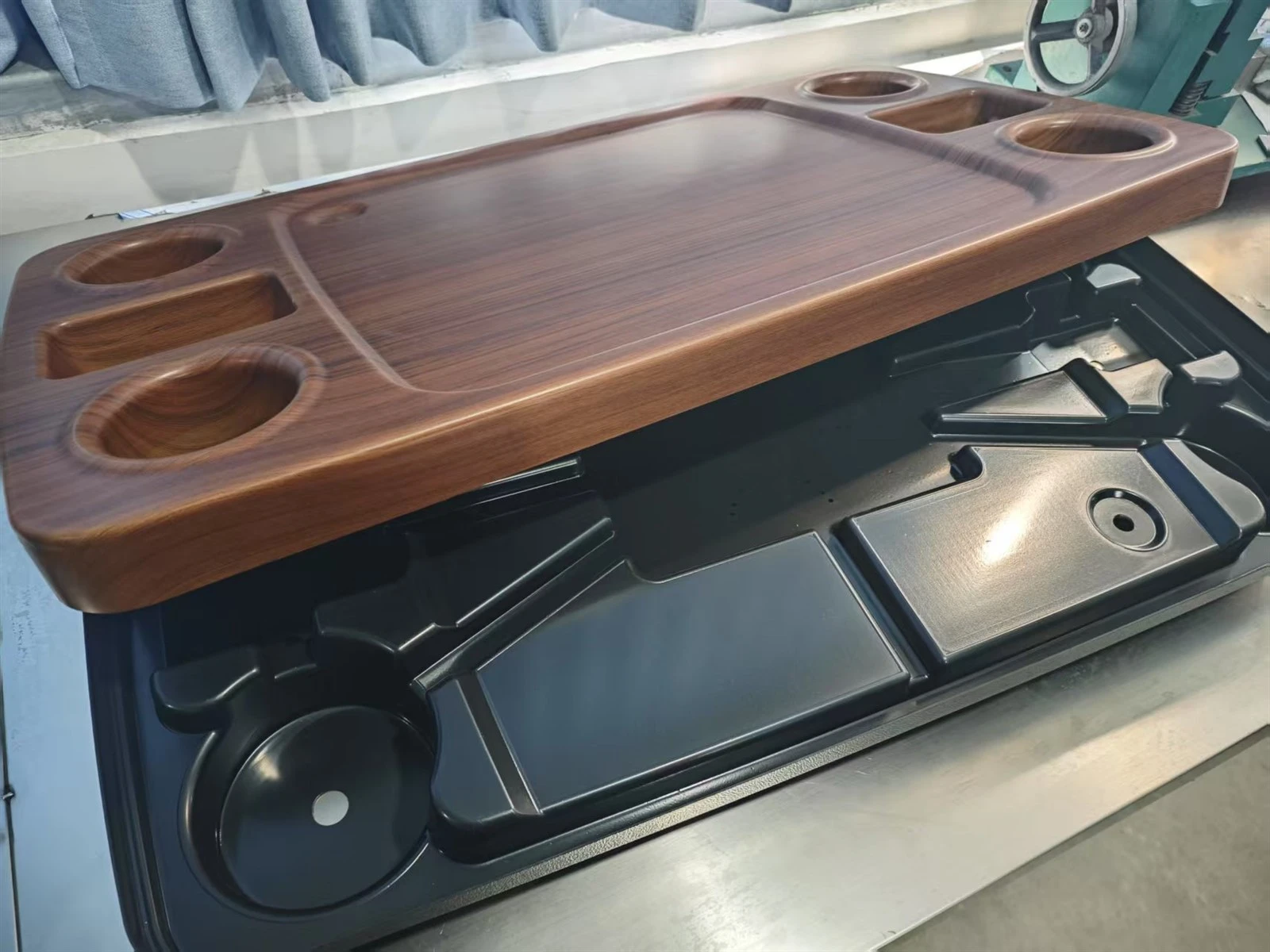


Electrostatic discharge (ESD) is a silent threat to sensitive electronics. Static charges build up naturally on plastic surfaces, and when they discharge, they can damage or even destroy delicate components like PCBs, semiconductors, and microprocessors. Even a small static zap that you can't feel can be enough to ruin an expensive electronic part.
That's why thermoforming trays used in electronics applications must be ESD-safe. These trays are available in three levels of protection:
- Anti-Static – Suppresses initial static charges (resistivity 10⁹–10¹² ohms/sq).
- Static Dissipative – Prevents discharge and protects against human contact (10⁶–10⁹ ohms/sq).
- Conductive – Provides a path for charges to bleed off safely (10³–10⁶ ohms/sq).
Custom thermoforming trays can be manufactured with these properties built right into the material, either through specialized resin compounds or permanent anti-static coatings that survive the thermoforming process. The result is a tray that not only holds components securely but also protects them from one of the most common-and costly-causes of failure in the electronics industry.
Types of Thermoforming Trays
Thermoforming trays come in many forms, each designed to meet the specific needs of different industries. Here's a quick look at where you'll find them:
Medical
In the healthcare sector, precision is everything. Thermoformed medical trays are manufactured to tight tolerances with "low particulate" standards, making them ideal for packaging surgical instruments, implantable devices, ventilators, pacemakers, and diagnostic tools. Many are designed for sterile packaging and automated assembly lines.
01
Electronics
For sensitive electronic components, thermoformed trays provide secure, organized storage and shipping solutions. These trays are commonly used for PCBs, circuit boards, semiconductors, and other static-sensitive parts. The ability to incorporate anti-static and ESD-safe materials makes them indispensable in this sector.
02
Automotive
From lighting assemblies to transmission parts and interior trim components, thermoformed trays keep automotive parts organized and protected throughout the supply chain. They're also used as dunnage trays that hold parts in the correct orientation for automated assembly.
03
Food
Thermoformed food trays are used for everything from fresh produce and meat packaging to ready-to-eat meals and bakery items. They can be designed with barrier properties to extend shelf life, and many are made from food-grade materials that are safe for direct contact.
04
Material Options

ABS
ABS is a go-to choice when durability and impact resistance are top priorities. It's a rigid, lightweight material that holds its shape through years of heavy use without crumbling, compressing, or shedding particles. It's also easy to clean and resistant to oils and many chemicals. If you're looking for a tough, long-lasting tray that can handle repeated handling, ABS is hard to beat.

Food-Grade HIPS
HIPS is one of the most widely used materials in thermoforming, and for good reason. It's cost-effective, lightweight, rigid, and offers good impact resistance. Food-grade HIPS is FDA-approved for direct food contact, making it a popular choice for food packaging applications like meat trays, yogurt cups, and takeaway containers. It's also easy to customize in terms of color and finish.

HDPE
HDPE brings serious toughness to the table. It's strong, durable, and highly resistant to chemicals and moisture. One of its standout features is its ability to withstand extreme temperatures-it stays tough at temperatures as low as -180°F and can handle steam sterilization at 250°F. It's also resistant to a wide range of chemicals, including alkalis, salts, and many acids. For industrial applications that demand rugged performance, HDPE is a solid choice.
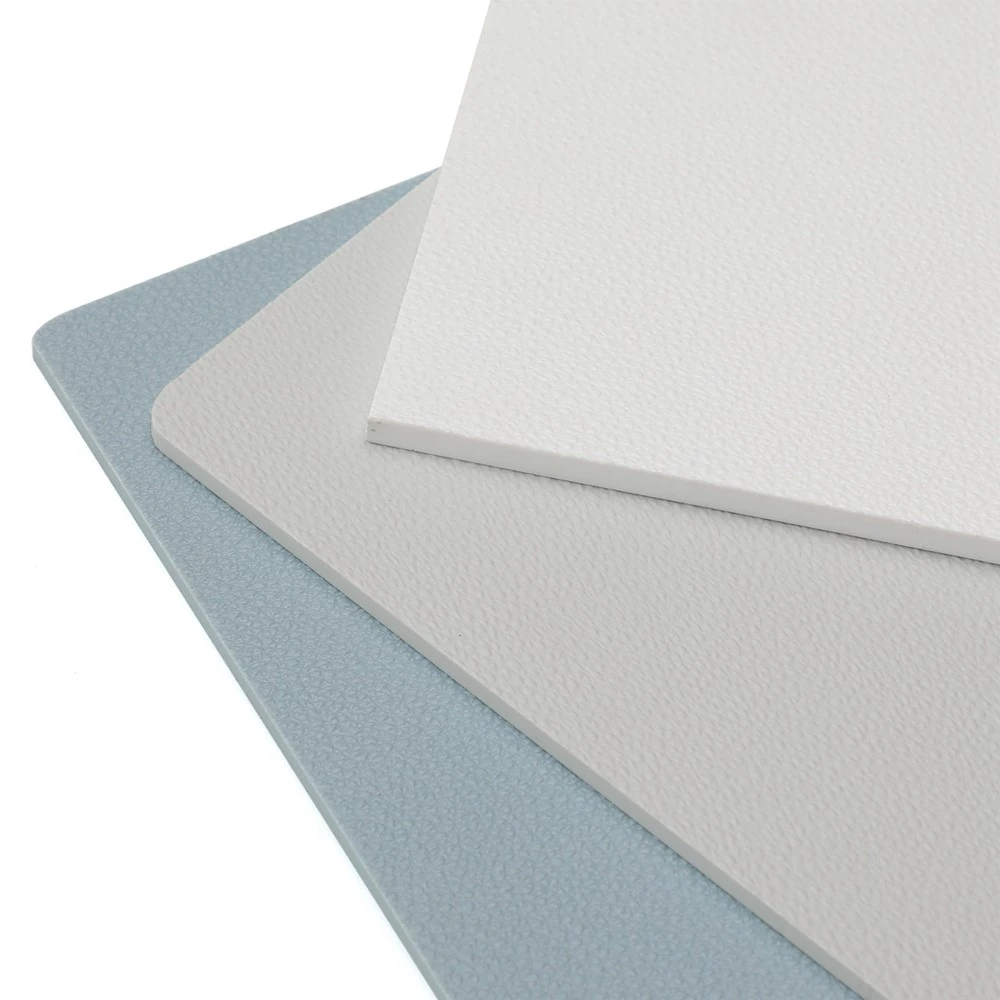
ASA
If your trays will be exposed to the elements, ASA is the material to consider. It offers excellent UV resistance and weather stability, meaning it won't yellow or degrade when exposed to sunlight over long periods. ASA also has a high melting point and good chemical resistance. Think of it as ABS with built-in sun protection-ideal for outdoor applications or any environment where UV exposure is a concern
Hot Tags: thermoforming trays, China thermoforming trays manufacturers, suppliers, factory, abs sheet for alloyed trade, abs sheet for employing, abs sheet for one time trade, abs sheet for short term trade, abs sheet for strategic trade, abs thermoform plastic sheets